Skin Stain Remover: Say Goodbye to Stubborn Skin Stains
Are you tired of dealing with stubborn skin stains that won't go away no matter how hard you try? Whether it's from makeup, hair dye, or even food stains, skin blemishes can be frustrating and embarrassing. But fear not! With the right skin stain remover, you can say goodbye to those pesky stains for good.
Skin stains are a common problem that many people face on a daily basis. They can be caused by a variety of factors, including cosmetics, hair dye, and even sweat. While some stains may be easy to remove, others can be more difficult to get rid of. That's where a good skin stain remover comes in.
In this blog post, we'll explore some of the best skin stain removers on the market and provide tips for using them effectively. From natural remedies to chemical treatments, we've got you covered. So, without further ado, let's dive in!
Types of Skin Stain Removers
1. Lemon Juice
Lemon juice is a natural skin bleaching agent that can help lighten stubborn stains. Simply cut a lemon in half and rub it over the affected area. Leave it on for 10-15 minutes before rinsing off with warm water. Repeat as necessary until the stain fades.
While lemon juice is generally safe for most skin types, it can be irritating for those with sensitive skin. If you experience any discomfort or redness, discontinue use.
2. Baking Soda
Baking soda is another natural remedy that can help remove skin stains. Mix equal parts baking soda and water to create a paste. Apply the paste to the affected area and let it sit for 5-10 minutes before rinsing off with warm water. Repeat as necessary until the stain fades.
Baking soda is generally safe for all skin types, but it can be drying. If you have dry or sensitive skin, be sure to moisturize after using baking soda.
3. Hydrogen Peroxide
Hydrogen peroxide is a chemical compound that can help bleach stubborn skin stains. Apply a small amount of hydrogen peroxide to the affected area and let it sit for 10-15 minutes before rinsing off with warm water. Repeat as necessary until the stain fades.
While hydrogen peroxide is generally safe for most skin types, it can be irritating for those with sensitive skin. If you experience any discomfort or redness, discontinue use.
4. Salicylic Acid
Salicylic acid is a chemical exfoliant that can help remove dead skin cells and lighten skin stains. Look for products that contain salicylic acid and apply them to the affected area according to the instructions on the label. Repeat as necessary until the stain fades.
Salicylic acid is generally safe for most skin types, but it can be drying. If you have dry or sensitive skin, be sure to moisturize after using salicylic acid.
Tips for Using Skin Stain Removers
Always perform a patch test before using a new skin stain remover to check for any allergic reactions or irritation.
Follow the instructions on the product label carefully to ensure optimal results.
Be patient! Some skin stains may take longer to fade than others.
Avoid scrubbing or rubbing the affected area too vigorously, as this can cause further irritation.
Moisturize the affected area after using a skin stain remover to prevent dryness.
Wear sunscreen to protect your skin from further damage and discoloration.
Skin stains can be a frustrating problem, but with the right skin stain remover, they don't have to be. Whether you prefer natural remedies or chemical treatments, there are plenty of options available to help you achieve clear, even-toned skin. Just remember to be patient and follow the instructions carefully for best results.
Frequently Asked Questions
1. Are skin stain removers safe for all skin types?
Most skin stain removers are safe for all skin types, but it's always a good idea to perform a patch test before using a new product to check for any allergic reactions or irritation.
2. Can natural remedies like lemon juice really lighten skin stains?
Yes, lemon juice is a natural skin bleaching agent that can help lighten stubborn stains.
3. How long does it take for skin stains to fade?
The length of time it takes for skin stains to fade can vary depending on the type and severity of the stain. Some stains may fade after just one treatment, while others may take several weeks to disappear completely.
4. Can I use skin stain removers on my face?
Yes, most skin stain removers are safe for use on the face. However, be sure to avoid getting the product in your eyes or mouth.
5. Will skin stain removers remove all types of stains?
No, some types of stains may be more difficult to remove than others. However, with patience and persistence, most skin stains can be lightened or removed completely.
6. How often should I use a skin stain remover?
The frequency of use will depend on the type and severity of the stain, as well as the instructions on the product label. Be sure to follow the recommended usage guidelines for best results.
7. Can I use multiple skin stain removers at once?
It's generally not recommended to use multiple skin stain removers at once, as this can cause further irritation or damage to the skin. Stick to one product at a time for best results.
8. What should I do if a skin stain remover causes irritation or redness?
If you experience any discomfort or redness after using a skin stain remover, discontinue use and consult a dermatologist.
9. Are there any natural ingredients that can help prevent skin stains from forming in the first place?
Yes, ingredients like turmeric, aloe vera, and coconut oil have been shown to help prevent skin stains from forming.
10. Can I make my own skin stain remover at home?
Yes, there are many DIY skin stain remover recipes available online. However, be sure to research the ingredients carefully and perform a patch test before using any new product.
10 Skin stain remover Images

Homemade Stain Removers Stain Removers And Stains On Pinterest

Skin Care Routine For Acne Do You Need The Most Successful Proven

Pin By DYLN On BEAUTY Brown Spots On Face Spots On Face Face Mask

THE ULTIMATE SKIN STAIN REMOVER How To Remove Sharpie Sharpie Deep

Products Baby Stain Remover Baby Stains Baby Sensitive Skin

Homemade Stain Remover Babies That SpitUp Homemade Stain Removers

SKIN TAG REMOVER Skin Care Key Productos Para La Piel Exfoliante

DIY Stain Remover Homemade Stain Removers Cleaning Hacks Household

My Skin Before During And After An Iron Infusion 6 Hours Between
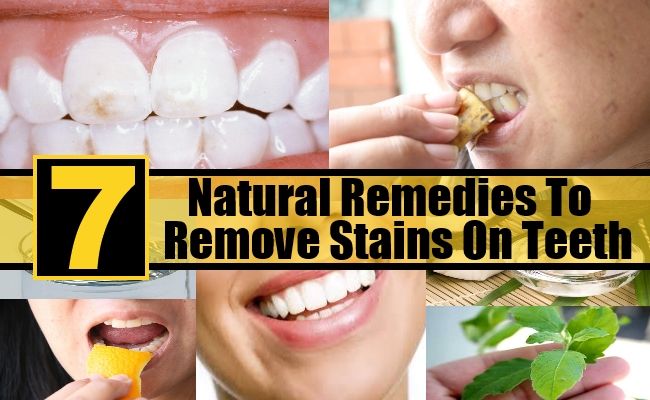
7 Natural Remedies To Remove Stains On Teeth Stain Remover Natural
Post a Comment for "Skin Stain Remover: Say Goodbye to Stubborn Skin Stains"